Introduction of Erythritol
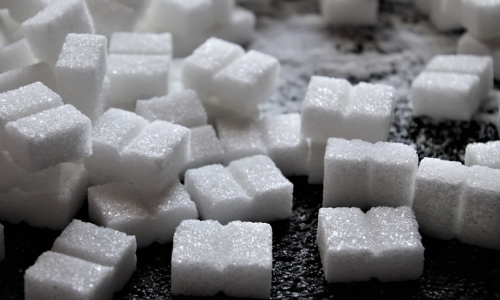
Erythritol is a filler sweetener, the following is a detailed introduction to it: 1. Basic Information Chemical name: 1.2.3.4-Butanetetrol Chemical formula: C4H10O4 Molecular weight: 122.12 CAS No.: 149-32-6 EINECS No.: 205-737-3 Appearance: White crystalline powder 2. Physical and chemical properties Melting point: 118~120°C Boiling point: 330°C Water solubility: very soluble Density: 1.451g/cm³ Flash point: 208.7℃ […]
Introduction of Sea Buckthorn Extract
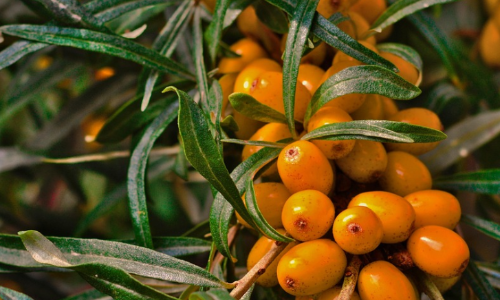
Sea Buckthorn Extract is derived from the fruit of sea buckthorn, a plant in the family of the deciduous family, and is a natural extract with a variety of health benefits. The following is a detailed introduction of Sea Buckthorn Extract: 1. Basic Information Source: Sea Buckthorn Extract comes from the fruits of Chinese Sea […]
What is Coenzyme Q10?
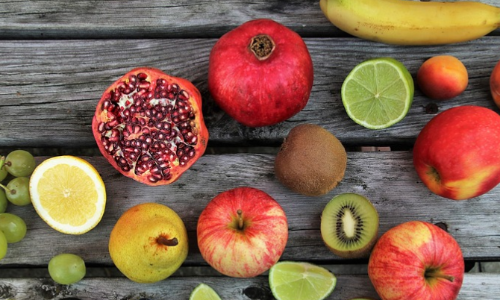
Coenzyme Q10 (CoQ10), also known as ubiquinone (UQ) and Puyuan Coenzyme Q10 (CoQ10), is a coenzyme found in all eukaryotic organisms that perform aerobic respiration. The following is a detailed introduction to Coenzyme Q10: 1. Basic Information Generic Name: Coenzyme Q10 Alias: ubiquinone, ubiquinone 10 Chemical properties: benzoquinone fat-soluble compounds, the structure is similar to […]
Black Cohosh Extract
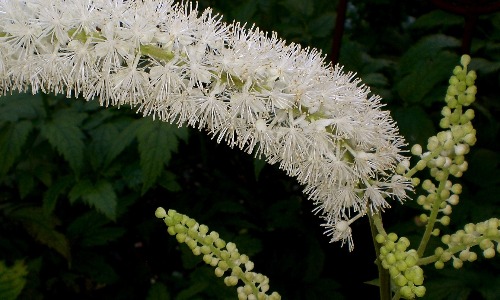
Black Asclepias extract is a substance extracted from the rhizome of Cimicifuga Romose L. (Cimicifuge racemosa (L.) Nutt. in some sources): 1. Basic Information English Name: Black Cohosh Extract Alias: Rattlesnake Root, Black Cohosh Extract Plant Latin Name: Cimicifuga foetida L. Colour and form: brown-black powder Main components: mainly Actein, Epi-Actein, 27-deoxy actein, black asiaticoside […]
What is the difference between Theabrownins and Tea Polyphenols?
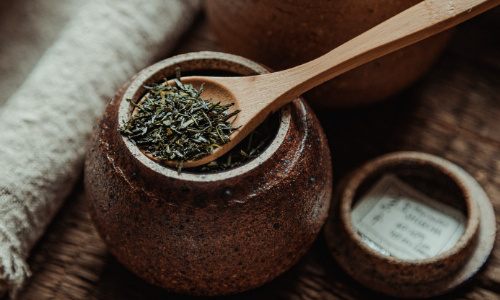
Theabrownins and tea polyphenols are both important ingredients in tea, they have different roles and functions in tea, the specific differences are as follows: 1. Definition and source Tea polyphenols Definition: Tea polyphenols is a general term for a variety of phenolic substances in tea, which is the key to the colour, aroma, taste and […]
Introduction of Neohesperidin
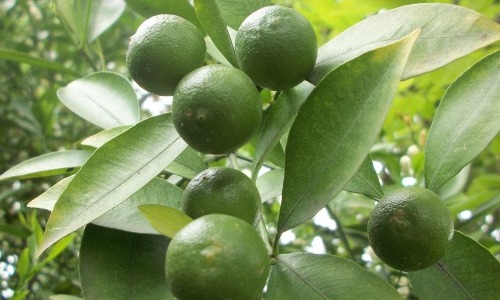
Neohesperidin is a new natural nutritive sweetener extracted from the dried young fruit of the lime and its cultivated varieties or sweet orange of the Brassicaceae family. The following is a detailed description of Neohesperidin: 1. Basic Information English name: Neohesperidin CAS No.: 13241-33-3 Molecular Formula: C28H34O15 Molecular weight: 610.5606 Alias: Neohesperidin, citrus fruit glycoside, […]
Spine Date Seed Extract
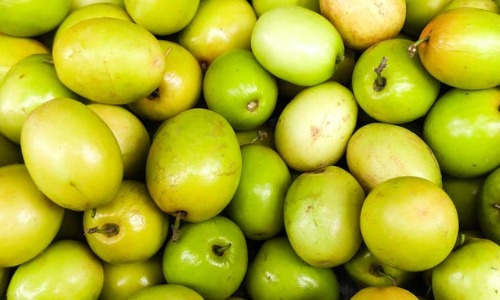
Spine Date Seed Extract is derived from the dried mature seeds of Sour Date, family Rhamnaceae: 1. Basic Information English Name: Ziziphi Seed Extract or Spine Date Seed P.E. Plant Source: The seeds of Ziziphus jujuba Mill. var. spinosa (Bunge) Hu ex H.F. Chou, family Rhamnaceae. Origin: mainly produced in Liaoning, Nei Mongol, Hebei, Henan, […]
Introduction of Luteolin
Luteolin (Luteolin) is a flavonoid compound, the following is a detailed description of it: 1. Basic information Alias: 3′,4′,5.7-tetrahydroxyflavone; yellow flavonoids; yellow show spirit; tablets; luteolin; mignonette grass; Mistletoe tablets, etc. English name: Luteolin; Antioxidant and anti-inflammatory; cyanidenon; weldlake; Daphneflavonol; Digitoflavone; Cyanidenon 1470; Flavopurpol, etc. Chemical formula: C15H10O6 Molecular weight: 286.23 (or 286.24) CAS No.: […]
Active Ingredients in Green Tea Extract
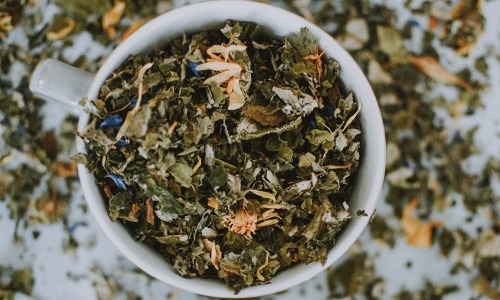
Green tea extract is the active ingredient extracted from green tea leaves, and its content mainly refers to the proportion of each active ingredient in it. The following is a detailed analysis of the main active ingredients and their contents in green tea extract: 1. Tea polyphenols (GTP) Tea polyphenol is the most important component […]
Application of flavonoids in traditional Chinese medicine

Flavonoids are widely used in traditional Chinese medicine (TCM). They have a variety of pharmacological effects, such as anti-inflammatory, antioxidant, antiviral, antibacterial, anticancer, etc., and are therefore widely used in TCM clinics for the treatment of a variety of diseases. The following are some examples of Chinese medicines that contain flavonoids and have specific pharmacological […]